前回は「謎の「2日前の手交時間変更」〜伊藤整一「早く発電しないで欲しい」・「出来るだけ国務長官に手交」対米覚書・「宣戦布告」への甘い姿勢〜」の話でした。

対米覚書”MEMORANDUM”英文全文:「遺憾とする」=”regrets to”
いよいよ米国に対する宣戦布告文を出すことになった大日本帝国。
一、帝國政府ハ「アメリカ」合衆國政府トノ間ニ、友好的諒解ヲ遂ケ兩國共同ノ努力ニ依リ太平洋地域ニ於ケル平和ヲ確保シ以テ世界平和ノ招來ニ貢献セントスル眞摯ナル希望ニ促サレ、本年四月以來合衆國政府トノ間ニ兩國國交ノ調整增進並太平洋地域ノ安定ニ關シ誠意ヲ傾倒シテ交涉ヲ繼續シ來リタル處、過去八月ニ亘ル交涉ヲ通シ合衆國政府ノ固持セル主張並此間合衆國及英帝國ノ帝國ニ對シ執レル措置ニ付茲ニ率直ニ其ノ所信ヲ合衆國政府ニ開陳スルノ光榮ヲ有ス
二、東亞ノ安定ヲ確保シ世界ノ平和ニ寄與シ以テ萬邦ヲシテ各其ノ所ヲ得シメントスルハ帝國不動ノ國是ナリ。曩ニ中華民國ハ帝國ノ眞意ヲ解セス不幸ニシテ支那事變ノ發生ヲ見ルニ至レルモ帝國ハ平和克復ノ方途ヲ講スルト共ニ戰禍ノ擴大ヲ防止センカ爲終始最善ノ努力ヲ致シ來レリ。客年九月帝國カ獨伊兩國トノ間ニ三國條約ヲ締結シタルモ亦右目的ヲ達成センカ爲ニ外ナラス
然ルニ合衆國及英帝國ハ有ユル手段ヲ竭シ重慶政權ヲ援助シテ日支全面和平ノ成立ヲ妨碍シ東亞ノ安定ニ對スル帝國ノ建設的努力ヲ控制セルノミナラス或ハ蘭領印度ヲ牽制シ或ハ佛領印度支那ヲ脅威シ帝國ト此等諸地域トカ相携ヘテ共榮ノ理想ヲ實現セントスル企圖ヲ阻害セリ。殊ニ帝國カ佛國トノ間ニ締結シタル議定書ニ基キ佛領印度支那共同防衛ノ措置ヲ講スルヤ合衆國及英國政府ハ之ヲ以テ自國領域ニ對スル脅威ナリト曲解シ和蘭國ヲモ誘ヒ資產凍結令ヲ實施シテ帝國トノ經濟斷交ヲ敢テシ明カニ敵對的態度ヲ示スト共ニ帝國ニ對スル軍備ヲ增强シ帝國包圍ノ態勢ヲ整ヘ以テ帝國ノ存立ヲ危殆ナラシムルカ如キ情勢ヲ誘致スルニ至レリ。右ニ拘ラス帝國總理大臣ハ本年八月事態ノ急速收拾ノ爲メ合衆國大統領ト會見シ兩國間ニ存在スル太平洋全般ニ亘ル重要問題ヲ討議檢討センコトヲ提議セリ。
然ルニ合衆國政府ハ右申入ニ主義上賛同ヲ與ヘ乍ラ之カ實行ハ兩國間重要問題ニ關シ意見一致ヲ見タル後ニスヘシト主張シテ讓ラス。
三、仍テ帝國政府ハ九月二十五日從來ノ合衆國政府ノ主張ヲモ充分考慮ノ上米國案ヲ基礎トシ之ニ帝國政府ノ主張ヲ取入レタル案ヲ提示シ論議ヲ重ネタルカ双方ノ見解ハ容易ニ一致セサリシヲ以テ現內閣ニ於テハ從來交涉ノ主要難點タリシ諸問題ニ付帝國政府ノ主張ヲ更ニ緩和シタル修正案ヲ提示シ交涉ノ妥結ニ努メタルモ合衆國政府ハ終始當初ノ主張ヲ固執シ協調的態度ニ出テス、交涉ハ依然澁滯セリ、茲ニ於テ十一月二十日ニ至リ帝國政府ハ兩國國交ノ破綻ヲ回避スル爲最善ノ努力ヲ盡ス趣旨ヲ以テ樞要且緊急ノ問題ニ付公正ナル妥結ヲ圖ル爲前記提案ヲ簡單化シ
(一)兩國政府ニ於テ佛印以外ノ南東亞細亞及南太平洋地域ニ武力進出ヲ行ハサル旨ヲ確約スルコト
(二)兩國政府ニ於テ蘭領印度ニ於テ其ノ必要トスル物資ノ獲得カ保障セラルル樣相互ニ協力スルコト
(三)兩國政府ハ相互ニ通商關係ヲ資產凍結前ノ狀態ニ復歸スルコト、合衆國政府ハ所要ノ石油ノ對日供給ヲ約スルコト
(四)合衆國政府ハ日支兩國ノ和平ニ關スル努力ニ支障ヲ與フルカ如キ行動ニ出テサルコト
(五)帝國政府ハ日支間和平成立スルカ又ハ太平洋地域ニ於ケル公正ナル平和確立スル上ハ現ニ佛領印度支那ニ派遣セラレ居ル日本軍隊ヲ撤退スヘク又本了解成立セハ現ニ南部佛領印度支那ニ駐屯中ノ日本軍ハ之ヲ北部佛領印度支那ニ移駐スルノ用意アルコト
等ヲ內容トスル新提案ヲ提示シ同時ニ支那問題ニ付テハ合衆國大統領カ曩ニ言明シタル通、日支間和平ノ紹介者ト爲ルニ異議ナキモ日支直接交涉開始ノ上ハ合衆國ニ於テ日支和平ヲ妨碍セサル旨ヲ約センコトヲ求メタルカ、合衆國政府ハ右新提案ヲ受諾スルヲ得スト爲セルノミナラス援行動ヲ繼續スル意思ヲ表明シ次テ更ニ前記ノ言明ニ拘ラス大統領ノ所謂日支間和平ノ紹介ヲ行フノ時機猶熟セストテ之ヲ撤回シ遂ニ十一月二十六日ニ至リ偏ニ合衆國政府カ從來固執セル原則ヲ强要スルノ態度ヲ以テ帝國政府ノ主張ヲ無視セル提案ヲ爲スニ至リタルカ、右ハ帝國政府ノ最モ遺憾トスル所ナリ。
四、抑々本件交涉開始以來帝國政府ハ終始專ラ公正且謙抑ナル態度ヲ以テ銳意妥結ニ努メ屢々難キヲ忍ヒテ能フ限リノ讓步ヲ敢テシタルカ、交涉上重要タリシ支那問題ニ關シテモ協調的態度ヲ示シ合衆國政府ノ提唱セル國際通商上ノ無差別待遇原則遵守ニ付テハ本原則ノ世界各國ニ行ハレンコトヲ希望シ且其ノ實現ニ順應シテ之ヲ支那ヲモ含ム太平洋地域ニ適用スル樣努力スヘキ旨ヲ表明シ尙支那ニ於ケル第三國ノ公正ナル經濟活動ハ何等之ヲ排除スルモノニアラサルコトヲモ闡明セルカ更ニ佛領印度支那ヨリノ撤兵ニ付テモ情勢緩和ニ資スルカ爲前述ノ如ク南部佛領印度支那ヨリノ卽時撤兵ヲ進ンテ提議スル等極力妥協ノ精神ヲ發揮セルハ合衆國政府ノ夙ニ諒解スル所ナリト信ス
然ルニ合衆國政府ハ常ニ理論ニ拘泥シ現實ヲ無視シ其ノ抱懷スル非實際的原則ヲ固執シテ何等讓步セス徒ラニ交涉ヲ遷延セシメタルハ帝國政府ノ諒解ニ苦シム所ナルカ特ニ左記諸點ニ付テハ合衆國政府ノ注意ヲ喚起セザルヲ得ス
(一)合衆國政府ハ世界平和ノ爲ナリト稱シテ自己ニ好都合ナル諸原則ヲ主張シ之カ採擇ヲ帝國政府ニ迫レル處世界ノ平和ハ現實ニ立脚シ且相手方ノ立場ニ理解ヲ持シ相互ニ受諾シ得ヘキ方途ヲ發見スルコトニ依リテノミ具現シ得ルモノニシテ現實ヲ無視シ一國ノ獨善的主張ヲ相手國ニ强要スルカ如キ態度ハ交涉ノ成立ヲ促進スル所以ノモノニアラス。
今般合衆國政府カ日米協定ノ基礎トシテ提議セル諸原則ニ付テハ、右ノ中ニハ帝國政府トシテ趣旨ニ於テ賛同ニ吝ナラサルモノアルモ合衆國政府カ直ニ之カ採擇ヲ要望スルハ世界ノ現狀ニ鑑ミ架空ノ理念ニ驅ラルルモノト云フノ外ナシ。
尙日、米、英、支、蘇、蘭、泰七國間ノ多邊的不可侵條約ヲ締結スル案ノ如キモ徒ニ集團的平和機構ノ舊構想ヲ追フノ結果、東亞ノ實情ト遊離セルモノト云フノ外ナシ。
(二)合衆國政府今次ノ提案中ニ「兩國政府カ第三國ト締結シ居ル如何ナル協定モ本取極ノ根本目的タル太平洋全域ノ平和確保ニ矛盾スルカ如ク解釋セラレサルコトニ付合意ス」トアルハ合衆國カ歐洲戰爭參入ノ場合ニ於ケル帝國ノ三國條約上ノ義務履行ヲ牽制セントスル意圖ヲ以テ提案セルモノト認メラルルヲ以テ右ハ帝國政府ノ受諾シ得サル所ナリ。
由來合衆國政府ハ其ノ自己ノ主張ト理念トニ眩惑セラレ自ラ戰爭擴大ヲ企圖シツツアリト謂ハサルヲ得ス。合衆國政府ハ一方太平洋地域ノ安定ヲ策シ自國ノ背後ヲ安固ト爲シツツ他方英帝國ヲ援ケ歐洲新秩序建設ニ邁進スル獨伊兩國ニ對シ自衛權ノ名ノ下ニ進ンテ攻擊ヲ加ヘントスルモノナルカ、右ハ太平洋地域ニ平和的手段ニ依リ安定ノ基礎ヲ築カントスル幾多ノ原則的主張ト全然矛盾背馳スルモノナリ。
(三)合衆國政府ハ其ノ固持スル主張ニ加テ武力ニ依ル國際關係處理ヲ排擊シツツ一方英帝國等ト共ニ經濟力ニ依ル壓迫ヲ加ヘツツアル處、斯ル壓迫ハ場合ニヨリテハ武力壓迫以上ノ非人道的行爲ニシテ國際關係處理ノ手段トシテ排擊セラルヘキモノナリ。
(四)合衆國政府ノ意圖ハ英帝國其ノ他ノ諸國ヲ誘引シ支那其ノ他東亞ノ諸地域ニ對シ其ノ從來保持セル支配的地位ヲ維持强化セントスルモノト見ルノ外ナキ處東亞諸國カ過去百有餘年ニ亘リ英米ノ帝國主義的搾取政策ノ下ニ現狀維持ヲ强ヒラレ兩國繁榮ノ犧牲タルヲ甘ンセサルヲ得サリシ歴史的事實ニ鑑ミ右ハ萬邦ヲシテ各其ノ所ヲ得シメントスル帝國ノ根本國策ト全然背馳スルモノニシテ帝國政府ノ斷シテ容認スル能ハサル所ナリ。
合衆國政府今次提案中佛領印度支那ニ關スル規定ハ正ニ右態度ノ適例ト稱スヘク佛領印度支那ニ關シ佛國ヲ除キ日、米、英、蘭、支、泰六國間ニ同地域ノ領土主權ノ尊重並ニ貿易及通商ノ均等待遇ヲ約束セントスルハ同地域ヲ六國政府ノ共同保障ノ下ニ立タシメントスルモノニシテ佛國ノ立場ヲ全然無祝セル點ハ暫ク措クモ東亞ノ事態ヲ紛糾ニ導キタル最大原因ノ一タル九國條約類似ノ體制ヲ新ニ佛領印度支那ニ擴張セントスルモノト觀ルヘキモノニシテ帝國政府トシテ容認シ得サル所ナリ。
(五)合衆國政府カ支那問題ニ關シ帝國ニ要望セル所ハ或ハ全面撤兵ノ要求ト云ヒ或ハ通商無差別原則ノ無條件適用ト云ヒ何レモ支那ノ現實ヲ無視シ東亞ノ安定勢力タル帝國ノ地位ヲ覆滅セントスルモノナル處、合衆國政府カ今次提案ニ於テ重慶政權ヲ除ク如何ナル政權ヲモ軍事的政治的且經濟的ニ支持セサルコトヲ要求シ南京政府ヲ否認シ去ラントスル態度ニ出テタルハ交涉ノ基礎ヲ根柢ヨリ覆スモノト云フヘク、右ハ前記援蔣行爲停止ノ拒否ト共ニ合衆國政府カ日支間ニ平常狀態ノ復歸及東亞平和ノ回復ヲ阻害スルノ意思アルコトヲ實證スルモノナリ。
五、要之今次合衆國政府ノ提案中ニハ通商條約締結、資產凍結令ノ相互解除、圓弗爲替安定等ノ通商問題乃至支那ニ於ケル治外法權撤廢等本質的ニ不可ナラサル條項ナキニアラサルモ他方四年有餘ニ亘ル支那事變ノ犧牲ヲ無視シ帝國ノ生存ヲ脅威シ權威ヲ冒涜スルモノアリ、從テ全體的ニ觀テ帝國政府トシテハ交涉ノ基礎トシテ到底之ヲ受諾スルヲ受諾スルヲ得サルヲ遺憾トス。
六、尙帝國政府ハ交涉ノ急速成立ヲ希望スル見地ヨリ日米交涉妥結ノ際ハ英帝國其ノ他ノ關係國トノ間ニモ同時調印方ヲ提議シ合衆國政府モ大體之ニ同意ヲ表示セル次第ナル處、合衆國政府ハ英、濠、蘭、重慶等ト屢々協議セル結果特ニ支那問題ニ關シテハ重慶側ノ意見ニ迎合シ前記諸提案ヲ爲セルモノト認メラレ、右諸國ハ何レモ合衆國ト同シク帝國ノ立場ヲ無視セントスルモノト斷セサルヲ得ス
七、惟フニ合衆國政府ノ意圖ハ英帝國其ノ他ト苟合策動シテ東亞ニ於ケル帝國ノ新秩序建設ニ依ル平和確立ノ努力ヲ妨碍セントスルノミナラス日支兩國ヲ相鬪ハシメ以テ英米ノ利益ヲ擁護セントスルモノナルコトノ今次交涉ヲ通シ明瞭ト爲リタル所ナリ。斯クテ日米國交ヲ調整シ合衆國政府ト相携ヘテ太平洋ノ平和ヲ維持確立セントスル帝國ノ希望ハ遂ニ失ハレタリ。
仍テ帝國政府ハ茲ニ合衆國政府ノ態度ニ鑑ミ今後交涉ヲ繼續スルモ妥結ニ達スルヲ得スト認ムルノ外ナキ旨ヲ合衆國政府ニ通吿スルヲ遺憾トスルモノナリ。
その宣戦布告文は、「対米覚書」であり、上のような「宣戦布告と呼ぶのかどうか」の議論が分かれるような曖昧極まりない文章でした。
Japan Center for Asian Historical Records, National Archives of Japan
MEMORANDUM
I. The government of Japan, prompted by a genuine desire to come to an amicable understanding with the Government of the United States in order that the two countries by their joint efforts may secure the peace of the Pacific area and thereby contribute toward the realization of world peace, has continued negotiations with the utmost sincerity since April last with the Government of the United States regarding the adjustment and advancement of Japanese-American relations and the stabilization of the Pacific Area.
The Japanese Government has the honor to state frankly its views concerning the claims the American Government has persistently maintained as well as the measure the United States and Great Britain have taken toward Japan during these eight months.
II. It is the immutable policy of the Japanese Government to insure the stability of East Asia and to promote world peace, and thereby to enable all nations to find each its proper place in the world.
Ever since the China Affair broke out owing to the failure on the part of China to comprehend Japan’s true intentions, the Japanese Government has striven for the restoration of peace and it has consistently exerted its best efforts to prevent the extension of war-like disturbances. It was also to that end that in September last year Japan concluded the Tripartite Pace with Germany and Italy.
However, both the United States and Great Britain have resorted to every possible measure to assist the Chungking regime so as to obstruct the establishment of a general peace between Japan and China, interfering with Japan’s constructive endeavours toward the stabilization of East Asia. Exerting pressure on the Netherlands East Indies, or menacing French Indo-China, they have attempted to frustrate Japan’s aspiration to realize the ideal of common prosperity in cooperation with these regimes. Furthermore, when Japan in accordance with its Protocol with France took measures of joint defense of French Indo-China, both American and British Governments, willfully misinterpreting it as a threat to their own possessions and inducing the Netherlands Government to follow suit, they enforced the assets freezing order, thus severing economic relations with Japan. While manifesting thus an obviously hostile attitude, these countries have strengthened their military preparations perfecting an encirclement of Japan, and have brought about a situation which endangers the very existence of the Empire.
Nevertheless, to facilitate a speedy settlement, the Premier of Japan proposed, in August last, to meet the President of the United States for a discussion of important problems between the two countries covering the entire Pacific area. However, the American Government, while accepting in principle the Japanese proposal, insisted that the meeting should take place after an agreement of view had been reached on fundamental and essential questions.
III. Subsequently, on September 25th the Japanese Government submitted a proposal based on the formula proposed by the American Government, taking fully into consideration past American claims and also incorporating Japanese views. Repeated discussions proved of no avail in producing readily an agreement of view. The present Cabinet, therefore, submitted a revised proposal, moderating still further the Japanese claims regarding the principal points of difficulty in the negotiation and endeavoured strenuously to reach a settlement. But the American Government, adhering steadfastly to its original assertions, failed to display in the slightest degree a spirit of conciliation. The negotiation made no progress. Thereupon, the Japanese Government, with a view to doing its utmost for averting a crisis in Japanese-American relations, submitted on November 20th still another proposal in order to arrive at an equitable solution of the more essential and urgent questions which, simplifying its previous proposal, stipulated the following points:
(1) The Government of Japan and the United States undertake not to dispatch armed forces into any of the regions, excepting French Indo-China, in the South Eastern Asia and the Southern Pacific area.
(2) Both Governments shall cooperate with a view to securing the acquisition in the Netherlands East Indies of those goods and commodities of which the two countries are in need.
(3) Both Governments mutually undertake to restore commercial relations to those prevailing prior to the freezing of assets.
The Government of the United States shall supply Japan the required quantity of oil.
(4) The Government of the United States undertakes not to resort to measures and actions prejudicial to the endeavours for the restoration of general peace between Japan and China.
(5) The Japanese Government undertakes to withdraw troops now stationed in French Indo-China upon either the restoration of peace between Japan and China or establishment of an equitable peace in the Pacific area; and it is prepared to remove the Japanese troops in the southern part of French Indo-China to the northern part upon the conclusion of the present agreement.
As regards China, the Japanese Government, while expressing its readiness to accept the offer of the President of the United States to act as “introducer” of peace between Japan and China as was previously suggested, asked for an undertaking on the part of the United States to do nothing prejudicial to the restoration of Sino-Japanese peace when the two parties have commenced direct negotiations.
The American Government not only rejected the abovementioned new proposal, but made known its intention to continue its aid to Chiang Kai-shek; and in spite of its suggestion mentioned above, withdrew the offer of the President to act as so-called “introducer” of peace between Japan and China, pleading that time was not yet ripe for it. Finally on November 26th, in an attitude to impose upon the Japanese Government those principles it has persistently maintained, the American Government made a proposal totally ignoring Japanese claims, which is a source of profound regret to the Japanese Government.
IV. From the beginning of the present negotiation the Japanese Government has always maintained an attitude of fairness and moderation, and did its best to reach a settlement, for which it made all possible concessions often in spite of great difficulties. As for the China question which constitutes an important subject of the negotiation, the Japanese Government showed a most conciliatory attitude. As for the principle of non-discrimination in international commerce, advocated by the American Government, the Japanese Government expressed its desire to see the said principle applied throughout the world, and declared that along with the actual practice of this principle in the world, the Japanese Government would endeavour to apply the same in the Pacific area, including China, and made it clear that Japan had no intention of excluding from China economic activities of third Powers pursued on an equitable basis. Furthermore, as regards the question of withdrawing troops from French Indo-China, the Japanese Government even volunteered, as mentioned above, to carry out an immediate evacuation of troops from Southern French Indo-China as a measure of easing the situation. It is presumed that the spirit of conciliation exhibited to the utmost degree by the Japanese Government in all these matters is fully appreciated by the American Government.
On the other hand, the American Government, always holding fast to theories in disregard of realities, and refusing to yield an inch on its impractical principles, cause undue delay in the negotiation. It is difficult to understand this attitude of the American Government and the Japanese Government desires to call the attention of the American Government especially to the following points:
- The American Government advocates in the name of world peace those principles favorable to it and urges upon the Japanese Government the acceptance thereof. The peace of the world may be brought about only by discovering a mutually acceptable formula through recognition of the reality of the situation and mutual appreciation of one another’s position. An attitude such as ignores realities and imposes one’s selfish views upon others will scarcely serve the purpose of facilitating the consummation of negotiations.
Of the various principles put forward by the American Government as a basis of the Japanese-American agreement, there are some which the Japanese Government is ready to accept in principle, but in view of the world’s actual condition it seems only a utopian ideal, on the part of the American Government, to attempt to force their immediate adoption.
Again, the proposal to conclude a multilateral non-aggression pact between Japan, the United States, Great Britain, China, the Soviet Union, the Netherlands, and Thailand, which is patterned after the old concept of collective security, is far removed from the realities of East Asia.
- The American proposal contains a stipulation which states: “Both Governments will agree that no agreement, which either has concluded with any third Powers, shall be interpreted by it in such a way as to conflict with the fundamental purpose of this agreement, the establishment and preservation of peace throughout the Pacific area.” It is presumed that the above provision has been proposed with a view to restrain Japan from fulfilling its obligations under the Tripartite Pact when the United States participates in the war in Europe, and, as such, it cannot be accepted by the Japanese Government.
The American Government, obsessed with its own views and opinions, may be said to be scheming for the extension of the war. While it seeks, on the one hand, to secure its rear by stabilizing the Pacific area, it is engaged, on the other hand, in aiding Great Britain and preparing to attack, in the name of self-defense, Germany and Italy- two Powers that are striving to establish a new order in Europe. Such a policy is totally at variance with the many principles upon which the American Government proposes to found the stability of the Pacific Area through peaceful means.
- Whereas the American Government, under the principles it rigidly upholds, objects to settling international issues through military pressure, it is exercising in conjunction with Great Britain and other nations pressure by economic powers. Recourse to such pressure as a means of dealing with international relations should be condemned as it is at times more inhumane that military pressure.
- It is impossible not to reach the conclusion that the American Government desires to maintain and strengthen, in coalition with Great Britain and other Powers, its dominant position in has hitherto occupied not only in China but in other areas of East Asia. It is a fact of history that the countries of East Asia for the past hundred years or more have been compelled to observe the status quo under the Anglo-American policy of imperialistic exploitation and to sacrifice themselves to the prosperity of the two nations. The Japanese Government cannot tolerate the perpetuation of such a situation since it directly runs counter to Japan’s fundamental policy to enable all nations to enjoy each its proper place in the world.
The stipulation proposed by the American Government relative to French Indo-China is a good exemplification of the above- mentioned American policy. Thus the six countries- Japan, the United States, Great Britain, the Netherlands, China and Thailand- excepting France, should undertake among themselves to respect the territorial integrity and sovereignty of French Indo-China and equality of treatment in trade and commerce would be tantamount to placing that territory under the joint guarantee of the Governments of those six countries. Apart from the fact that such a proposal totally ignores the position of France, it is unacceptable to the Japanese Government in that such an arrangement cannot but be considered as an extension to French Indo-China of a system similar to the Nine Power Treaty structure which is the chief factor responsible for the present predicament of East Asia.
- All the items demanded of Japan by the American Government regarding China such as wholesale evacuation of troops or unconditional application of the principle of non-discrimination in international commerce ignore the actual conditions of China, and are calculated to destroy Japan’s position as the stabilizing factor of East Asia. The attitude of the American Government in demanding Japan not to support militarily, politically or economically any regime other than the regime at Chungking, disregarding thereby the existence of the Nanking Government, shatters the very basis of the present negotiations. This demand of the American Government falling, as it does, in line with its above-mentioned refusal to cease from aiding the Chungking regime, demonstrates clearly the intention of the American Government to obstruct the restoration of normal relations between Japan and China and the return of peace to East Asia.
V. In brief, the American proposal contains certain acceptable items such as those concerning commerce, including the conclusion of a trade agreement, mutual removal of the freezing restrictions, and stabilization of the yen and dollar exchange, or the abolition of extraterritorial rights in China. On the other hand, however, the proposal in question ignores Japan’s sacrifices in the four years of the China Affair, menaces the Empire’s existence itself and disparages its honour and prestige. Therefore, viewed in its entirety, the Japanese Government regrets it cannot accept the proposal as a basis of negotiation.
VI. The Japanese Government, in its desire for an early conclusion of the negotiation, proposed simultaneously with the conclusion of the Japanese-American negotiation, agreements be signed with Great Britain and other interested countries. The proposal was accepted by the American Government. However, since the American Government has made the proposal of November 26th as a result of frequent consultation with Great Britain, Australia, the Netherlands and Chungking, and presumably by catering to the wishes of the Chungking regime in the questions of China, it must be concluded that all these countries are at one with the United States in ignoring Japan’s position.
VII. Obviously it is the intention of the American Government to conspire with Great Britain and other countries to obstruct Japan’s effort toward the establishment of peace through the creation of a new order in East Asia, and especially to preserve Anglo-American rights and interests by keeping Japan and China at war. This intention has been revealed clearly during the course of the present negotiation. Thus, the earnest hope of the Japanese Government to adjust Japanese-American relations and to preserve and promote the peace of the Pacific through cooperation with the American Government has finally been lost.
The Japanese Government regrets to have to notify hereby the American Government that, in view of the attitude of the American Government, it cannot but consider that it is impossible to reach an agreement through further negotiations.
そして、この「対米覚書」は、当然ながら「日本語での交付」ではなく「英語での交付」であり、英語バージョン全文は上の通りです。
色々と書いてありますが、最も問題であるのは、最後の「遺憾とする」=”regrets to”でした。
未規定「宣戦布告事前通告時間」:「一分前でもOK」とギリギリ
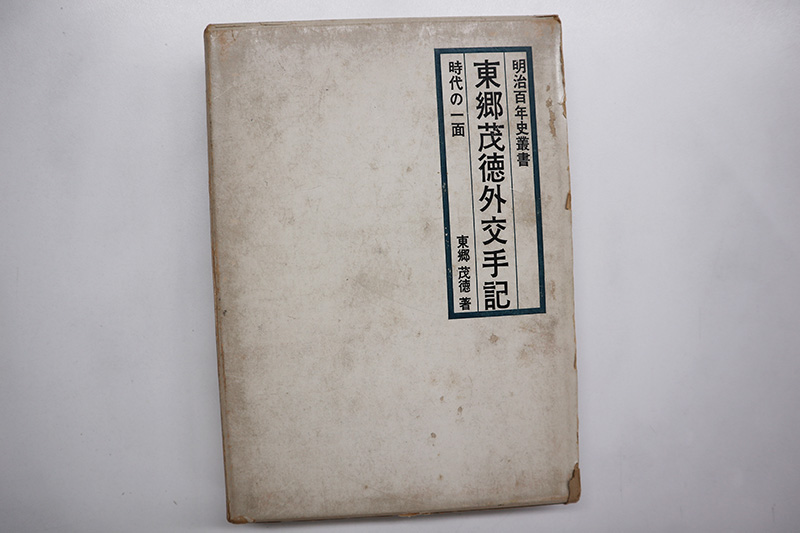
この頃の前後関係を、当時の、そして敗戦時の外相であった東郷茂徳は緻密に記録に残し、出版しました。
The Japanese Government regrets to have to notify hereby the American Government.
日本政府は、米国政府に対し、ここに通知しなければならないことを遺憾に思う。
そして、末尾の前半の主文をGoogle翻訳すると、正に「遺憾に思う」となります。
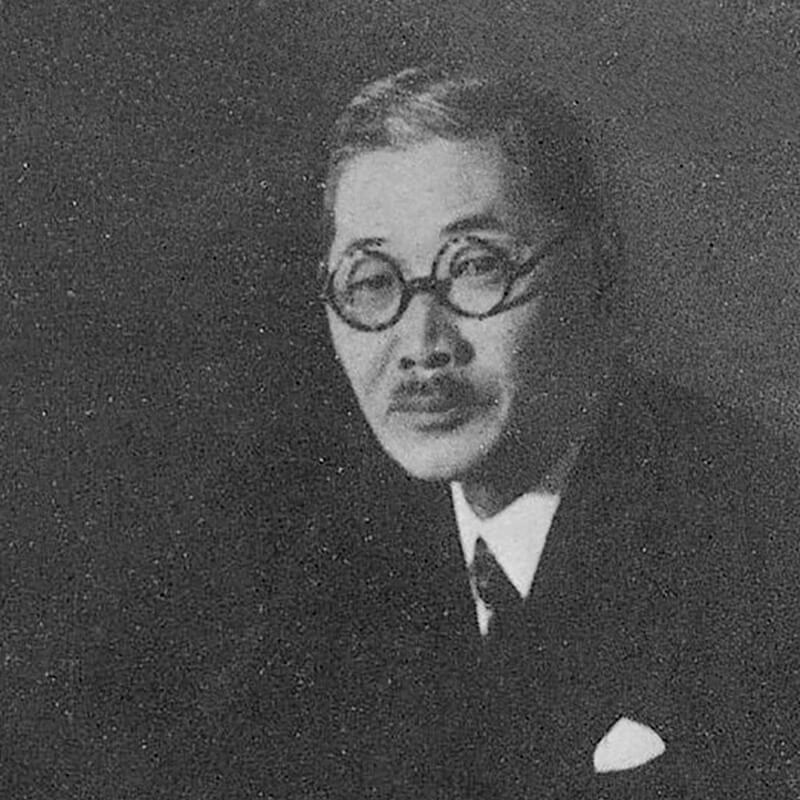 東郷茂徳
東郷茂徳由来海牙第三条約には、事前通告の
最小限の時間に就いての規定は無いので、
東郷茂徳予は国際法学者なかには、
一分間の事前通告でも十分である、
東郷茂徳との意見があるとのことを
知っていた。
東郷茂徳されば、今日は通信機関発達の時代でもあるから
一時間くらいの余裕があれば、
東郷茂徳海牙条約の要件を十分に充すものと
考えて居たので、
東郷茂徳前に記載した米国陸軍首脳部に於て
電報通信に要する時間を三十分から四十分と計算すればいいとの
東郷茂徳考えであったことを知って、
自分の推算が大体に於いて、正鵠を得ていたのに満足した。
東郷茂徳されば流石の判決も検事側の論告に拘らず、
海牙第三条約関係事項に深入りすることを避け、
東郷茂徳却而同条約の欠陥を
認めたことは興味あることである。
確かに、当時の「宣戦布告は一分前でもOK」という事態は、問題ありました。
第一次世界大戦後には、この辺りはきちんと明確にしておくべきでした。
例えば「宣戦布告は、戦闘開始一時間前」など。
いずれにしても、極めて曖昧であり、本来ならば”regret to”では、明確な意味をなさない対米覚書。
この内容の文章ならば、もっと余裕を持って交付することを、当時真剣に検討すべきであったと考えます。
ところが、とにかく「ギリギリを狙った」結果、「最悪の結果」になってしまったのでした。
